Understanding Acrylic Blending
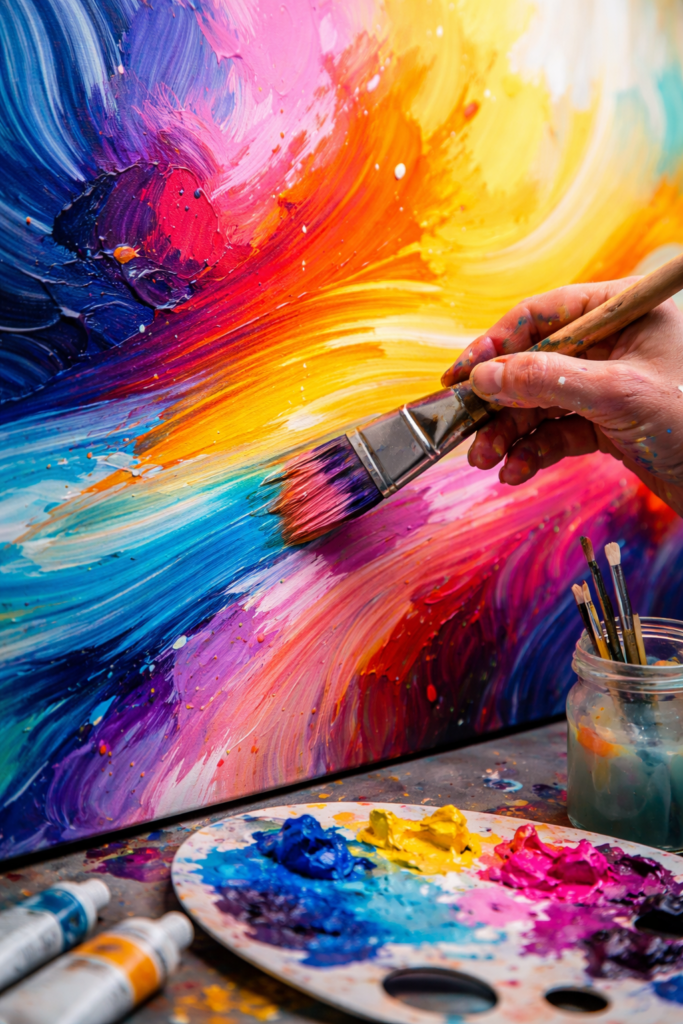 Are you ready to elevate your acrylic blending skills and unleash your creative potential? At Yarnell School of Fine Arts, we believe that mastering acrylic blending is one of the most transformative techniques you can learn. Whether you’re just starting your artistic journey or looking to refine your existing skills, blending can truly bring your artwork to life, adding depth, vibrancy, and an alluring fluidity that captures the viewer’s attention.
Why Acrylic Blending Matters
Acrylic blending is not just a technique; it’s a fundamental aspect of painting that allows for the seamless transition between colors. When executed well, blending creates a sense of atmosphere and realism, drawing the viewer into the scene. Whether you’re working on creating a masterpiece, acrylic blending is what gives your work that soft, graduated look that can evoke emotion and tell a story. Whether you’re painting landscapes, portraits, or abstract pieces, the ability to blend colors effectively can elevate your art from ordinary to extraordinary.
Getting Started with Acrylic Blending
- Choose Quality Materials: The foundation of any great artwork starts with quality materials. Investing in professional-grade acrylic paints and brushes can make a significant difference. Look for soft, synthetic brushes designed for blending acrylic paint. These will help you achieve smoother transitions and finer details.
- Understand Color Theory: Familiarizing yourself with basic color theory is key to successful blending, especially in acrylics. Understand the color wheel, complementary colors, and how to create various shades and tints. This knowledge will enable you to mix colors that harmonize beautifully together.
- Work Quickly: Acrylics are known for their fast-drying time, which can be both a blessing and a challenge when engaging in acrylic blending. To blend effectively, you’ll want to work quickly while the paint is still wet. Keep a spray bottle of water nearby to mist your palette and keep your paints workable for longer.
- Experiment with a Palette Knife: A palette knife is a fantastic tool for mixing colors before applying them to your canvas, especially for blending acrylics. Use it to experiment with different color combinations and ratios. This hands-on approach will give you a better understanding of how colors interact and blend together.
- Layering Technique: Start with a base layer as your foundation. Once it’s dry, begin adding layers of color, gradually introducing lighter or darker shades. This layering technique not only helps with blending but also builds texture and dimension in your work.
- Use the Right Brush Strokes: Different brush strokes can yield different blending effects. A soft, sweeping motion can create smooth transitions, while a stippling technique can add texture. Don’t be afraid to experiment with various strokes to see what works best for your style.
- Practice, Practice, Practice: Remember, acrylic blending is a skill that improves with practice. Set aside dedicated time to focus solely on blending techniques. Create color swatches, practice gradients, and don’t be afraid to make mistakes—each one is a stepping stone to mastery!
Join Us Online!
So, what are you waiting for? Grab your brushes, squeeze out those vibrant acrylics, and get ready to explore the gratification of acrylic blending! At Yarnell School Online, we offer a variety of engaging courses dedicated to acrylic painting techniques, including mastering acrylic blending. We can’t wait to see the stunning artwork you’ll create. Happy painting!
